Kalamata Airport Reports 26.2% June Growth as The Odyssey Filming Locations Draw Visitor Interest
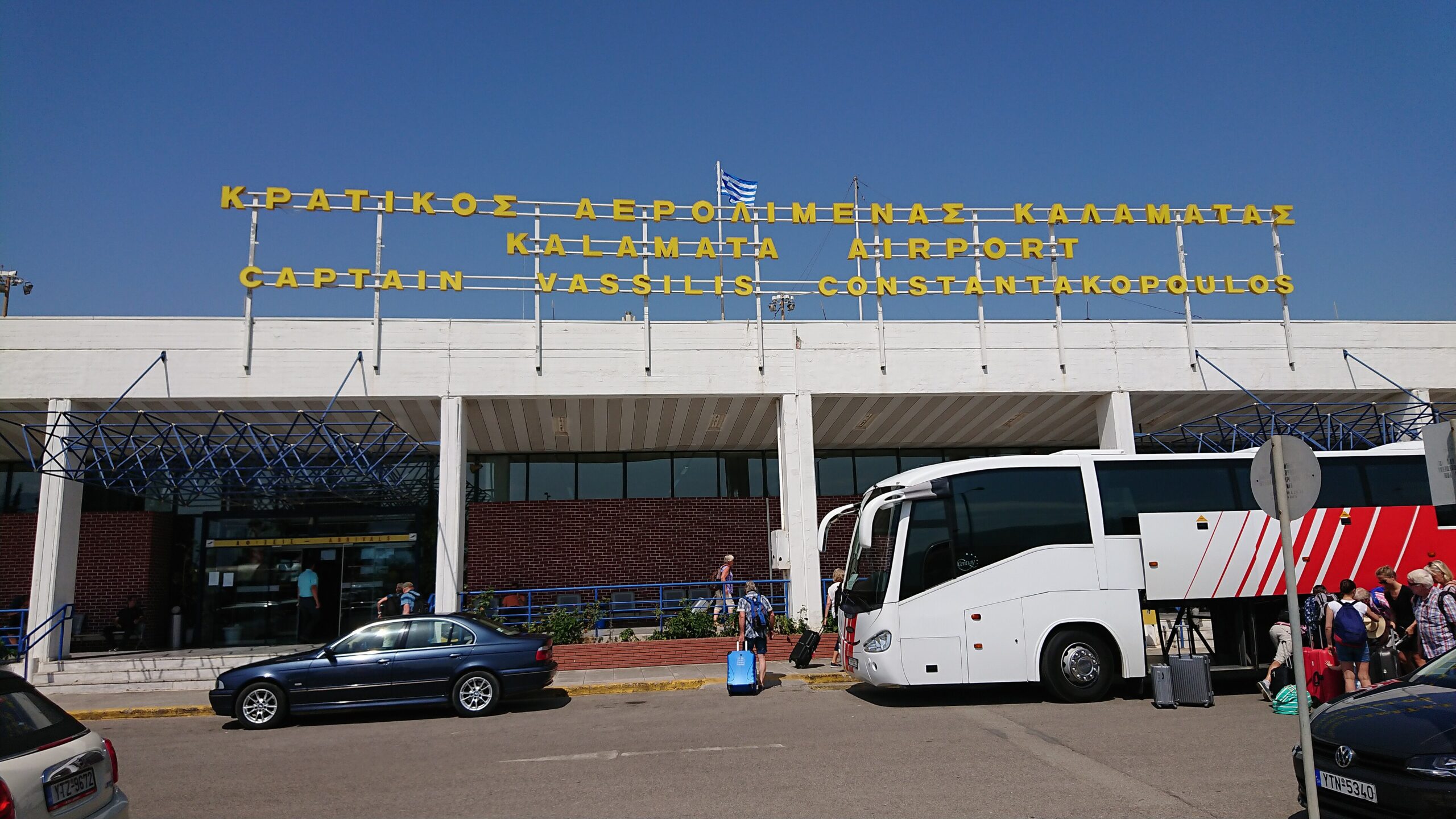
Photo: Wikimedia Commons / Asterios Tsakalis
At a glance
- International flights at Kalamata Airport rose 26.2% year on year in June 2026
- The airport expanded its network in 2026 to serve 22 international destinations via 31 direct routes, alongside a €125 million+ expansion programme
- Greek media report early visitor interest in The Odyssey’s filming locations, including Nestor’s Cave and Methoni.
- Google Trends showed worldwide search interest in ‘visit Kalamata’, ‘Odyssey filming locations’, ‘Cyclops location’ and ‘Nestor’s Cave’ reaching five-year highs during 2026.
International flights at Kalamata Airport increased by 26.2% year on year in June, according to figures reported by Greek media that represent one of the first measurable tourism indicators from the Messinia region following months of international marketing and publicity surrounding Christopher Nolan’s The Odyssey. The figures come as the airport expands its international network in 2026 to 22 destinations served by 31 direct routes, alongside a modernisation programme worth more than €125 million to strengthen the region’s international connectivity, with the airport’s new operators targeting almost double the airport’s passenger traffic by 2030.
Kalamata Airport serves Messinia in Greece’s south-western Peloponnese, where much of The Odyssey’s Greek filming took place. The 26.2% increase in international flights was first reported by To Vima and later picked up by other Greek media. Although the figures do not establish that the film drove the increase, they offer one of the first measurable tourism signals from the region following sustained publicity around the production in 2025 and the film’s release in July 2026. By 2 August, Universal’s The Odyssey had surpassed $900 million at the worldwide box office.
Kalamata Airport Investment
The latest figures also come as Kalamata International Airport prepares for a major infrastructure upgrade following the signing of a 40-year concession agreement in June. The programme includes more than €125 million of planned investment, including a new passenger terminal and wider infrastructure improvements, with the airport’s new operators targeting almost a doubling of passenger traffic by 2030.
Kalamata Airport also handled 368,515 passengers in 2025, an increase of 8.7% on the previous year, with international flights accounting for 92.4% of passenger traffic.
New Flights into Kalamata ahead of the 2026 Holiday Season
For the summer 2026 season, Kalamata International Airport expanded its network to 22 international destinations served by 31 direct routes, strengthening air links between the Peloponnese and key European markets. New services included Jet2 flights from Edinburgh and London Gatwick, Wizz Air from Budapest, Condor from Hamburg and Aegean Airlines from Heraklion, alongside additional routes introduced earlier in the season by Air France from Paris, SAS from Stockholm and Volotea from Lille and Lyon. Several airlines also brought forward the start of their seasonal operations to early April, extending the holiday season and improving direct access to southern Greece.
Visitors seek out filming locations
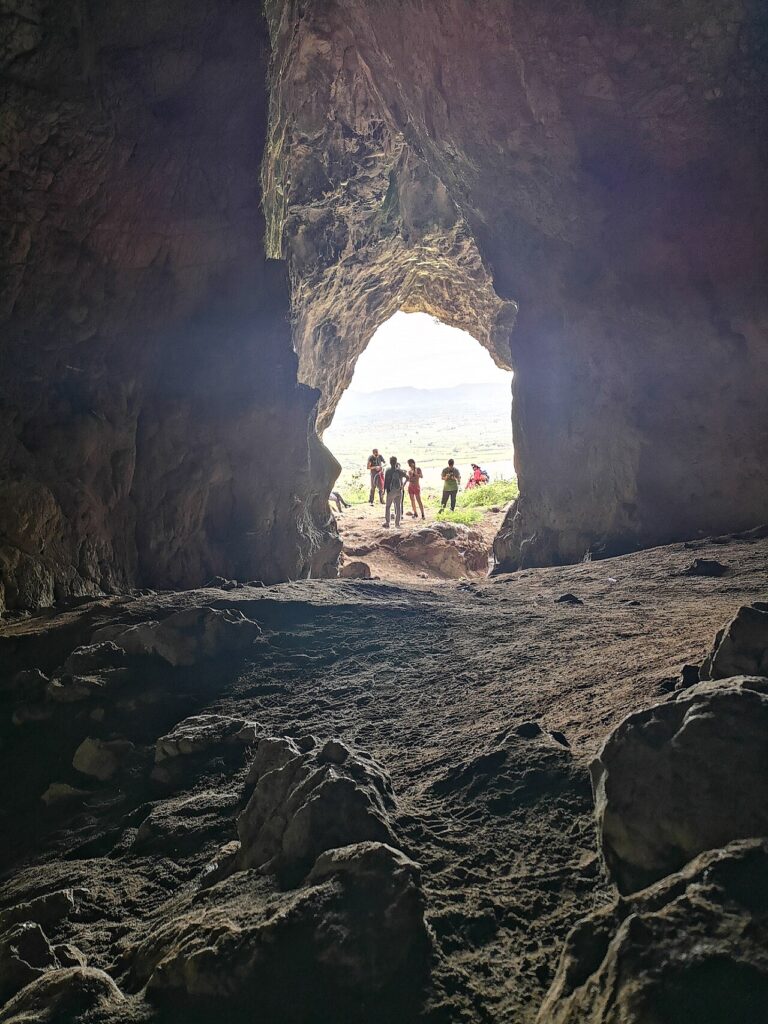
Additional reporting by Greek media provides some of the earliest anecdotal signs of growing visitor interest in The Odyssey’s filming locations. In a report from Messinia, Greek broadcaster Mega TV visited several of the production’s key filming sites, including Pylos, Methoni, Voidokilia Beach and Nestor’s Cave, and reported that visitors were asking where the Cyclops sequence had been filmed.
The report also highlighted what it described as an unexpected benefit, with the reporter noticing the site had “finally been cleaned up”. The wider Voidokilia area has attracted recurring visitor complaints in recent years over litter and poor maintenance. The improvement followed environmental remediation and site restoration carried out by the production under the supervision of officials from the Greek Ministry of Culture. Work at Nestor’s Cave, Voidokilia and Methoni Castle returned the locations to their original condition before production departed for Italy.
In a separate report for Greek broadcaster SKAI, Dimitris Karalis, President of the Messinia Hotel Association, said: “Tourists are already visiting Nestor’s Cave, where the scene with the Cyclops Polyphemus was filmed, as well as Methoni, particularly its castle. We provide visitors with the information they need.”
Speaking to ERT News, the news channel of Greece’s public broadcaster ERT, in late July, Panagiotis Karvelas, Mayor of Pylos-Nestor, also spoke about the film’s expected impact on the area: “This film will showcase our region and highlight its history, along with its unique castles and natural landscape.”
Destination Planning Comes into Focus
Local media have also highlighted the absence of official signage at Nestor’s Cave. The archaeological site overlooking Voidokilia Beach is not open to visitors, although its entrance can be viewed from a distance. The same Mega TV report noted that no official signage currently identifies the site’s connection with The Odyssey.
As interest in the film grows, the absence of visitor information is likely to become part of a wider destination-management discussion. For protected archaeological sites such as Nestor’s Cave, the challenge is not simply directing visitors to a filming location, but helping them understand what can be viewed, where access is permitted and why certain areas remain closed. UNESCO’s sustainable tourism guidance notes that effective visitor communication and interpretation can help protect sensitive heritage sites while improving the visitor experience.
Filming The Odyssey in the Peloponnese
Christopher Nolan’s The Odyssey was filmed across Messinia and the wider Peloponnese during March and April 2025. Key Greek filming locations included Nestor’s Cave and the surrounding landscape at Voidokilia Beach, which were used for the Cyclops Polyphemus sequence, together with Methoni Castle, which stood in for the Palace of Ithaca. The production also filmed at Acrocorinth in the eastern Peloponnese, with several media reports suggesting the ancient fortress was used to depict mainland Greek kingdoms and ancient strongholds, although the production has not publicly confirmed the specific scenes filmed there.
The Greek shoot was facilitated by the Hellenic Film Commission, which supported the production with location planning, permits and local coordination. Greece’s film agency also highlighted the country’s 40% cash rebate for national and international productions when announcing the shoot in February 2025.
Several of the principal Greek filming locations are protected archaeological sites, requiring authorisation from the Greek Ministry of Culture before filming could take place. The production was facilitated by the Hellenic Film Commission following discussions with Universal Pictures and Christopher Nolan’s production company, Syncopy. Athens-based Faliro House Productions served as the production’s local Greek partner.
Digital interest reaches new highs
Worldwide Google search interest for ‘visit Kalamata’ reached its highest level during 2026, climbing to more than two and a half times the average summer peak recorded between 2022 and 2024. Although Google Trends cannot identify why individual users searched for a particular term, the increase coincided with growing public attention surrounding The Odyssey, from its marketing campaign through to its theatrical release, providing a further indication of rising online interest in visiting Kalamata and the wider Messinia region.
More direct film-location searches also rose sharply. Google Trends data showed worldwide searches for ‘Odyssey filming locations’ as Breakout, indicating growth of more than 5,000% compared with the preceding five years, with interest reaching its highest level in July 2026.
Interest also extended to locations featured in the film. Worldwide search interest for ‘Cyclops location’ reached its highest level during the five-year period, with Google Trends reporting average interest around 40% higher than during the preceding five years.
Searches for ‘Nestor’s Cave’, one of the film’s principal Greek locations, also reached their highest recorded level during 2026. Google Trends classified the term as Breakout, indicating growth of more than 5,000% compared with the preceding five-year period.
Google Trends measures relative search interest on a scale from 0 to 100. Breakout indicates growth of more than 5,000% compared with the previous comparison period. Correct as of