Robert Pattinson’s casting as 007 has opened a new chapter for one of cinema’s longest-running franchises. For destinations, venues and tourism organisations, the first announcement is just one moment in a much longer story. From fandom and overlooked archives to the opportunities ahead, where should they begin?
1. The announcement has happened. What now?
Robert Pattinson was confirmed as the new James Bond on 16 November 2026, and some organisations were quick to join the conversation. The Foreign, Commonwealth & Development Office offered the incoming 007 some playful advice, while Transport for London revisited the filming of Skyfall at Charing Cross. London Stansted Airport, meanwhile, had already explored a different angle earlier in the year, connecting its flight network with European destinations featured in Bond films, and returned to the theme following the casting announcement.
Three different approaches, none requiring an entirely new campaign. But what if a venue or destination hasn’t responded yet? Has it missed the moment? Not necessarily. Casting is only one milestone in a production and publicity cycle that could run for another couple of years. There may be an immediate story worth telling, but there is also time to explore connections, speak to colleagues and partners, revisit existing material or simply keep an eye on developments.
2. Understanding the fandom: who are you speaking to?
Before developing content, it is worth considering the audiences around Bond. After more than six decades, Bond fandom is far from one uniform community. Some people have loyalties to particular actors, films or eras. Others are drawn to the characters, music, cars, fashion, locations or the wider world created by Ian Fleming.
Pattinson brings another set of interests into the picture. Some people actively follow his career and seek out films because he appears in them. Others may love Twilight, The Batman or a particular independent film without necessarily following the actor himself. An interest in a character can turn into an interest in the actor, who can then become the reason someone watches another film.
For a destination publishing a one-off story, or planning to return to Bond periodically, those distinctions offer useful context. A Bond filming-location feature may interest a different mix of people from an article about Pattinson’s earlier work. The aim isn’t to address every fandom. It is to understand what makes a particular story interesting, alongside the organisation’s existing audiences, stakeholders and editorial voice.
3. Why this Bond casting is different
Bond has historically played a significant role in elevating the international profiles of its leading actors. Pattinson arrives at the franchise already an established global film star, with a career spanning major franchises, Hollywood productions and independent cinema.
One comparison illustrates the difference. According to The Ringer, Pattinson is projected to have 14 starring film roles before his Bond debut, compared with 13 across all six previous Bond actors combined before they first played 007. The count includes projected starring credits, rather than every film appearance.
His career also brings very different film histories together. The original Twilight audience has grown older, while newer viewers continue discovering the franchise. With The Batman, Pattinson entered another iconic character’s established screen world. Films such as Good Time, High Life and The Lighthouse have contributed to his reputation among audiences interested in independent cinema.
For someone already interested in Bond and one of those films, the new casting adds another reason to follow the production. For others, Pattinson himself may be the attraction. That is an unusually varied starting point for a new Bond actor.
4. Dusting down the Bond archives
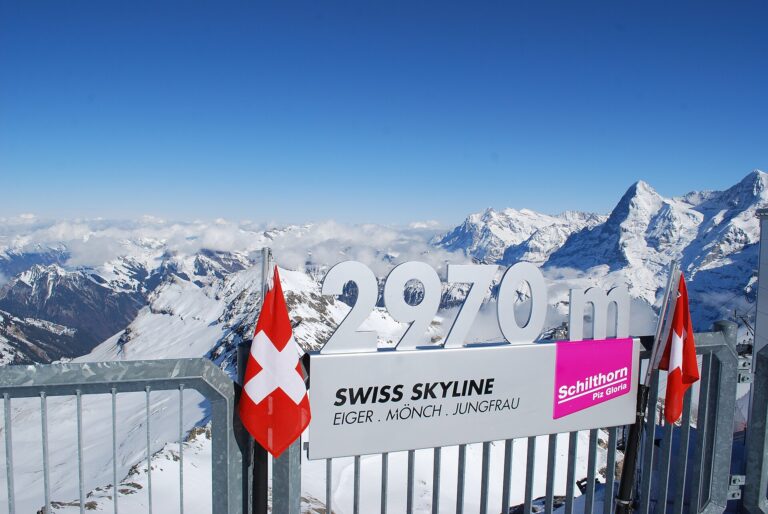
Twenty-five official films have left Bond with an extraordinary geographical history. The independent Licence to Locate atlas documents 482 filming locations across 40 countries, alongside 18 other places associated with the franchise. It is a fan-built resource rather than an official exhaustive count, but it illustrates just how far Bond’s footprint extends.
A venue may have an obvious link to a particular film. A destination might have several locations in its wider area, while a regional tourism organisation or film commission could find connections spread across neighbouring towns and landscapes. Some will already be familiar and actively promoted. Others may be recorded in photographic archives, old press releases, local film records or material held by nearby organisations.
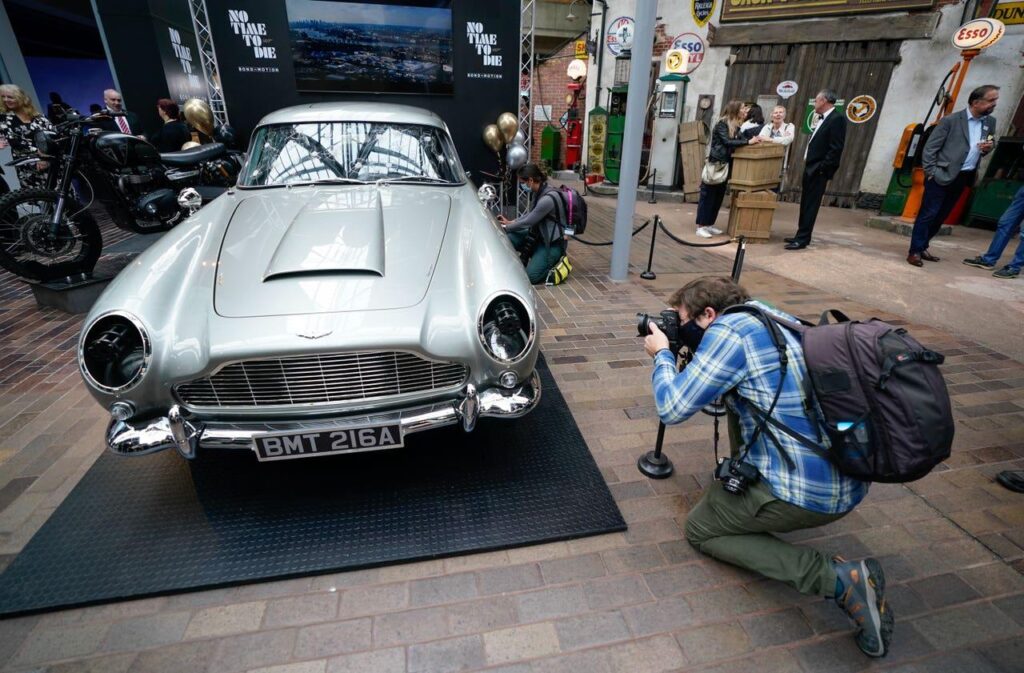
And a connection needn’t begin and end with filming. Bond’s cultural life extends to premieres, exhibitions, fan events and other associations that developed after individual films were released. Those histories may provide stories of their own.
Sometimes it takes a conversation with someone who remembers a production, a look through material that hasn’t been used for years, or a little research into a neighbouring location. Dusting down the archives isn’t necessarily about discovering a forgotten Bond landmark. It may simply reveal a better story than the one a destination has been telling.
5. Do you have a place in the Bond conversation?
There is a useful question before deciding what to publish: does this place, business or organisation have a credible reason to contribute?
A direct filming connection provides an obvious starting point, but it isn’t the only one. TfL could draw on its filmmaking history, while Stansted could connect Bond destinations with routes it already serves. The FCDO took a topical approach that fitted its own public identity. In each case, the contribution had a recognisable relationship with the organisation.
The scale of participation will also vary. A heritage venue might revisit one photograph or local anecdote. A destination could collaborate with attractions, cinemas or local historians. A national tourism body may have a broader geographical story to explore.
Credibility is only part of the judgement. There is also the question of when and where to speak. An idea might work as a short social post, a substantial editorial feature, an update to an existing webpage or a collaboration with partners. Some of the quickest responses to casting news draw on material or relationships already available. For others, the useful first step may be an internal conversation rather than publication.
6. The long road to the next Bond film
The new Bond production is still developing. Beyond the leading actor, further casting, production dates, filming locations, publicity material, trailers and an eventual release will create different moments of interest. At the time of writing, the film’s exact release date and filming schedule have not been officially confirmed.
That creates an important distinction between what is known and what is anticipated. A filming-location rumour might be worth monitoring without being suitable for publication. A confirmed announcement could provide a reason to revisit an existing article. Another development might justify research or early discussions with partners, even if the public-facing story comes much later.
There is no requirement to participate at every stage. A location with a specific production connection may watch closely for filming developments, while an organisation with a broader cultural angle might find a later publicity moment more relevant.
For anyone considering original photography, video, research or a collaboration, the longer timeline can be an advantage. It provides time to explore possibilities and understand what would be involved before a particular announcement arrives.
7. From opportunity to preparation
Once an idea looks worthwhile, the next question is what it would take to deliver. Existing articles, photographs or filming-location information might only need reviewing and updating. New material could involve research, production time, partners, budgets and approvals.
Working backwards from a potential announcement or publication window can help establish what can be prepared now and what needs to wait.
There are also practical considerations around reporting accuracy, image rights and intellectual property. Production speculation can travel quickly, and a reported development is not the same as a confirmed announcement. Organisations should know what they can substantiate, which assets they have permission to use and who needs to approve publication.
Sometimes the right decision will be to publish immediately. At other times, it may be better to prepare content, monitor developments or leave an idea for another occasion.
What’s next for James Bond?
Robert Pattinson’s casting is one milestone in a much longer production and promotional cycle. Further announcements could create opportunities for destinations, attractions and tourism organisations to revisit their Bond connections.
What could happen next for James Bond?
There is no fixed announcement timetable. These are some of the distinct moments that can attract attention as a Bond film develops, is promoted and reaches audiences. They can overlap, happen in a different order or never become public announcements.
The new 007
Robert Pattinson was announced as James Bond. Denis Villeneuve is directing and Steven Knight is writing.
The Bond villain
A villain casting announcement, character details or an official image could become a major story of its own.
Female leads and wider cast
Leading roles, allies and returning characters may be announced separately or together.
The film title
An official title reveal could arrive before, during or after filming, and may offer new clues about the story.
Production and locations
Filming starts, studio activity, overseas shoots, location announcements and local production activity can each draw attention.
Set sightings and reports
Unofficial photographs, location sightings and reported plot details may circulate. None should be treated as confirmed without verification.
Cars, gadgets and design
Vehicles, equipment, costumes and sets may emerge during filming, in official reveals or in later publicity.
First official images
A portrait in character, production still, poster or short teaser can each be a separate unveiling.
Music and theme song
The composer, title-song performer, song release and soundtrack may all provide their own moments of interest.
Trailers and footage
Teasers, full trailers, interviews and behind-the-scenes films could reveal more about the locations and scale of the production.
Partnerships and premieres
Brand collaborations, promotional appearances, press events and premieres can create further stories in different markets.
Release and the longer life
Opening dates, reviews, audience response, streaming, anniversaries and renewed interest in filming locations can extend the story.
For destinations and attractions: each moment might offer an opportunity to revisit an existing Bond connection, prepare accurate information or develop a relevant story. Not every moment will warrant action. Verify official announcements and obtain permission before using images or other protected material.
Explore our James Bond Opportunity Toolkit
For those looking to explore an idea further, Cinematic Tourism has developed a free James Bond Opportunity Toolkit.
It brings together interactive introductions to Bond and Pattinson fandom, examples of screen-tourism connections, a developing production timeline and practical considerations for destinations and venues.
An accompanying Word working guide and editable spreadsheet tracker can help organise ideas, plan activity and keep information updated as the film develops.