Could Spider-Man’s Global Success Become Glasgow’s Next Screen Tourism Opportunity?
At A Glance
- 15 minutes on screen: Glasgow doubles for Manhattan
- Box office: More than US$920 million worldwide
- Screen tourism: Spider-Man joins Visit Glasgow’s filming locations guide
- The opportunity: Can Spider-Man fandom translate into visits?
Glasgow has secured around 15 minutes of screen time in Spider-Man: Brand New Day, giving Scotland’s largest city one of its biggest international cinematic showcases yet after the Marvel blockbuster earned more than US$920 million worldwide during its opening weekend.
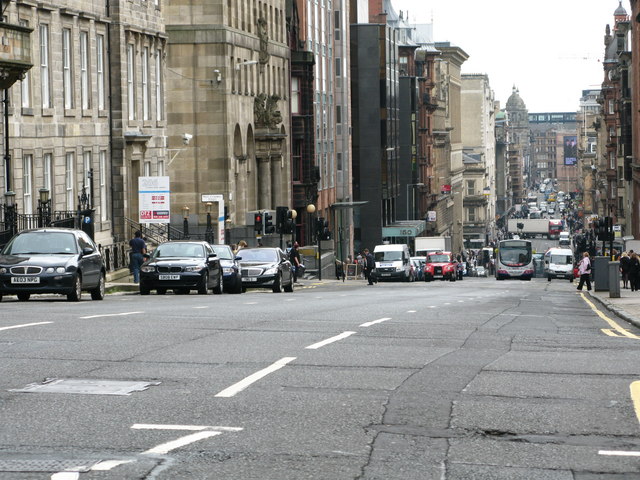
The city doubles for Manhattan during one of the film’s major opening action sequences, with St Vincent Street, Bothwell Street and surrounding locations transformed using yellow taxis, NYPD vehicles, practical stunts and extensive street dressing.
For Scotland, however, the value of a blockbuster starts long before audiences arrive at the cinema.
Screen Scotland said Glasgow has “a starring role” in the film, adding that its “grid layout, wide avenues and architecture make it an incredibly versatile stand-in for many US cities including New York, San Francisco and Philadelphia.” It described Spider-Man: Brand New Day as “the latest example of the scale of production the city can accommodate.”
VisitScotland believes that exposure can translate into visitor interest even when Scotland is playing somewhere else. “Scotland’s ability to attract blockbuster productions is one of its real superpowers.Even when playing another location on screen, that global exposure can spark curiosity, encouraging visitors to discover our culture, heritage and warm welcome for themselves.”
That behaviour is already well established among Spider-Man fans. Visitors are drawn not only to locations that appear as themselves on screen, but also to places that helped create Spider-Man’s world. Many enjoy recognising an ordinary street or building from a memorable scene, recreating photographs and comparing the real location with its fictional on-screen identity.
In New York, the city’s official tourism organisation promotes a self-guided itinerary through Peter Parker’s home borough of Queens, while independent guides take fans to locations including the Flatiron Building, used as the Daily Bugle, Joe’s Pizza and other Spider-Man landmarks. Beyond New York, Chicago’s elevated CTA railway, which stood in for New York’s elevated train during the celebrated runaway train sequence in Spider-Man 2, continues to feature in Spider-Man filming-location guides.
Case study: Atlanta’s Marvel strategy
Glasgow is not the first city to help create Spider-Man’s New York.
Much of Spider-Man: Homecoming (2017) was filmed in Atlanta, generating an estimated US$66 million in economic impact during production. Atlanta became a major production base for Spider-Man: Homecoming and Spider-Man: No Way Home, while recurring locations helped maintain continuity across the Tom Holland series.
Rather than promoting individual films, Discover Atlanta, the city’s official destination marketing organisation (DMO), now incorporates Spider-Man into a broader Marvel filming locations guide, encouraging visitors to explore sites featured across Spider-Man, Black Panther, Captain America, Avengers and other productions.
Atlanta shows how individual productions can retain value long after filming ends. By grouping Spider-Man with its wider Marvel history, the DMO gives visitors more than one location or film to explore.
Glasgow’s growing screen tourism portfolio
Visit Glasgow is already building a broader screen tourism offer through its official Top film and TV locations guide. Rather than promoting productions in isolation, it packages the city’s screen heritage around must-visit filming locations, popular Glasgow streets used for filming, food and drink at filming locations, and bookable attractions and tours, helping visitors turn recognisable screen locations into a wider day out.
The guide brings together productions including:
- The Batman – Glasgow Necropolis helped create Gotham City.
- Indiana Jones and the Dial of Destiny – St Vincent Street and Cochrane Street became 1969 New York during the Apollo 11 ticker-tape parade sequence.
- World War Z – George Square doubled for Philadelphia.
- Outlander – The University of Glasgow stood in for Harvard University, while Pollok Country Park represented locations ranging from the Scottish Highlands to Paris and the United States.
- Spider-Man: Brand New Day – St Vincent Street and surrounding streets transformed into Lower Manhattan.
There is already evidence that this exposure can translate into visitor behaviour. Chaakoo, which appears during one of Spider-Man: Brand New Day‘s action sequences, says it has previously welcomed diners who visited after recognising the restaurant from other productions filmed in Glasgow.
According to recent reporting, ilming has brought an estimated £500 million to Glasgow’s economy over the past 25 years.
Why it matters: Rather than relying on a single blockbuster, Glasgow is steadily building a portfolio of internationally recognised productions. Spider-Man strengthens that existing offer, giving visitors another opportunity to discover how ordinary city streets were transformed into some of cinema’s most recognisable locations.
Early signs of screen tourism
Interest in Glasgow’s Spider-Man locations is already beginning to emerge. Scottish and wider UK media, including the BBC, STV and the Glasgow Times, have published features explaining how the city doubled for Manhattan.
Filming-location creator Thomas Duke, founder of Stepping Through Film, has also recreated scenes from Spider-Man: Brand New Day at their real-world Glasgow locations. One of his signature techniques is to overlay stills from the finished film onto photographs taken from the exact same viewpoint, allowing audiences to compare the on-screen version with the real streets and see how digital effects and set dressing transformed Glasgow into Manhattan.
Sharing the images on Instagram, Duke wrote: “Digital extensions of streets and buildings made it work so well on the screen and hopefully these photos illustrate a little bit how they made one city look like a very different one.”
Instagram post by Thomas Duke, founder of Stepping Through Film.
Fandom and solving the visual puzzle
For many fans, the experience does not end when the credits roll. Seeing the film is only the beginning. Afterwards, many want to keep that connection with the world of the film alive, whether that is watching interviews, following behind-the-scenes stories, collecting merchandise or sharing the experience with other fans.
For some, that also means solving the visual puzzle behind the production. Location spotting, scene matching, joining the dots between the finished film and the real streets, and recreating memorable shots become part of the enjoyment. Discoveries are shared across fan communities, with each new location helping to reveal how the filmmakers created the world seen on screen.
That is where Glasgow’s screen tourism opportunity begins. Spider-Man: Brand New Day gives the city more than 15 minutes of screen time. It gives fans another way to stay connected with the film beyond the cinema. Filming-location guides, scene comparisons, behind-the-scenes stories and local businesses featured on screen all offer ways to build on that enthusiasm.
For some, that could justify a dedicated trip centred on Spider-Man. For others, particularly international visitors already travelling around Britain, Glasgow becomes another worthwhile stop as the city continues to strengthen its reputation as one of the world’s leading stand-ins for major American cities.
As Spider-Man: Brand New Day continues its theatrical run, Glasgow’s appearance in the film is unlikely to be a one-off moment. Future releases, repeat viewings, home entertainment, streaming and new generations discovering Spider-Man will all create fresh opportunities for audiences to see how the city became Manhattan on screen. Given Glasgow’s track record, and VisitScotland’s wider work around the country’s screen heritage, it will be interesting to see how Spider-Man is woven into that visitor story over the coming months and years.