How New Zealand and Hobbiton Are Reviving Tourism Through Film
The COVID-19 pandemic disrupted tourism globally, and New Zealand was no exception. With international borders closed for nearly two years, the country’s tourism sector faced significant challenges. One of its most iconic attractions, Hobbiton, experienced sharp declines in visitor numbers, forcing the industry to adapt. Now, as the world recovers, New Zealand’s efforts to leverage its cinematic tourism assets, like Hobbiton, offer valuable insights into how destinations can rebuild in a post-pandemic world.
Adapting to Domestic Tourism During Lockdowns
With international travel off the table during the pandemic, New Zealand pivoted to focus on its domestic market. Tourism New Zealand launched the “Do Something New, New Zealand” campaign, encouraging locals to explore attractions typically marketed to international tourists. Hobbiton adapted to this shift by offering promotions and hosting events tailored to domestic visitors, helping to maintain some level of activity and revenue. While this did not fully compensate for the loss of international tourists, it provided a critical stopgap and kept the site operational.
Government Support for Strategic Tourism Recovery
Recognising the importance of tourism to the national economy, the New Zealand government introduced a $400 million Tourism Recovery Package in 2020. The initiative provided financial support to key tourism assets, including Hobbiton, enabling it to retain staff and maintain infrastructure during the downturn. This support was instrumental in ensuring that Hobbiton and other significant attractions were ready to welcome visitors as restrictions eased.
Hobbiton’s ability to weather the pandemic highlights the value of strategic government support in safeguarding tourism assets that contribute to the long-term recovery of the industry.
Rebuilding International Tourism with Cinematic Branding
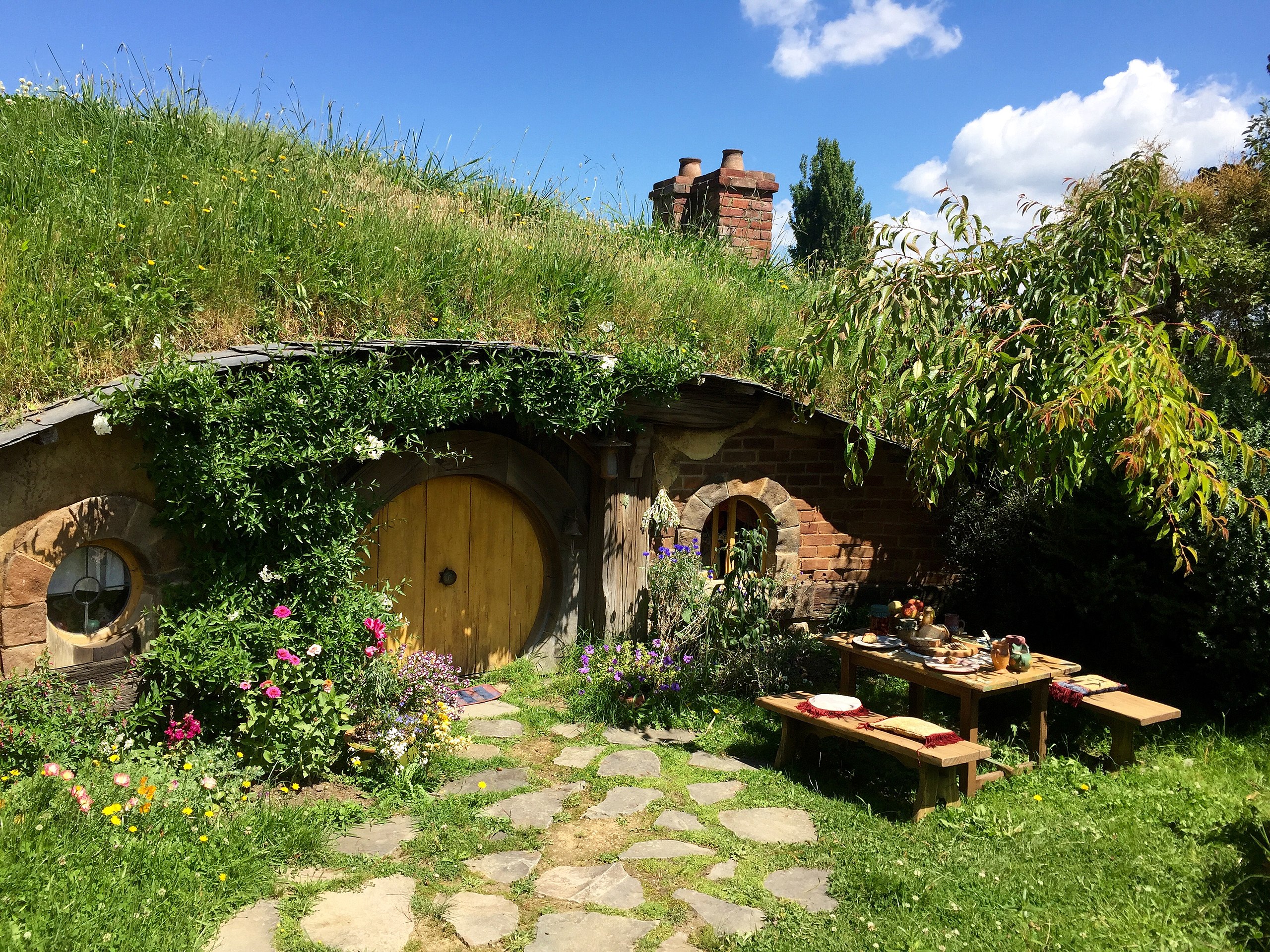
As international borders reopened, New Zealand quickly shifted focus back to its global audience. Hobbiton capitalised on its cinematic heritage as Middle-earth, leveraging the enduring appeal of The Lord of the Rings and The Hobbit trilogies. Enhancements such as the construction of Hobbit hole interiors were introduced to provide visitors with a more immersive experience, ensuring the site remained attractive to both returning and new tourists.
The rise of streaming platforms also played a role in maintaining global interest. Although The Rings of Power shifted production to the UK, its connection to the Middle-earth universe kept New Zealand’s association with Tolkien’s world alive, benefiting attractions like Hobbiton.
Regional Collaboration for Economic Impact
Hobbiton’s recovery efforts have extended beyond its own operations, benefiting the wider Waikato region. By partnering with local tourism organisations, Hobbiton has created joint travel packages that encourage visitors to explore additional attractions. This strategy not only boosts visitor numbers across the region but also supports local businesses, aiding the broader economic recovery.
Collaborations between tourism boards, local businesses, and attractions demonstrate how regions can work together to maximise the economic benefits of tourism.
A Positive Outlook: New Lord of the Rings Films Return to New Zealand
Concerns over New Zealand’s cinematic tourism legacy emerged when The Rings of Power chose to film its second season in the UK. However, recent announcements of new Lord of the Rings films being produced in New Zealand have renewed optimism. These productions reaffirm the country’s strong ties to Middle-earth and its ongoing appeal to fans and filmmakers.
The return of these films presents significant opportunities for Hobbiton and the wider tourism sector. Increased production activity brings immediate economic benefits during filming and enhances New Zealand’s profile as a filming location. In turn, this drives interest from international tourists who want to experience Middle-earth in its authentic setting.
Lessons for the Tourism and Film Industries
New Zealand’s recovery process offers key takeaways for tourism boards and film commissions worldwide. By focusing on domestic tourism during lockdowns, securing government support, and leveraging cinematic branding, the country has demonstrated how destinations can adapt and rebuild. Partnerships between tourism boards, local businesses, and production companies are essential to maximising economic and cultural benefits.
As New Zealand prepares for the next wave of Middle-earth films, its story serves as a blueprint for other destinations looking to use cinematic tourism as a tool for long-term recovery and growth. For the tourism and film industries, the opportunity lies in strategic collaboration and maintaining relevance in an ever-evolving global market.